

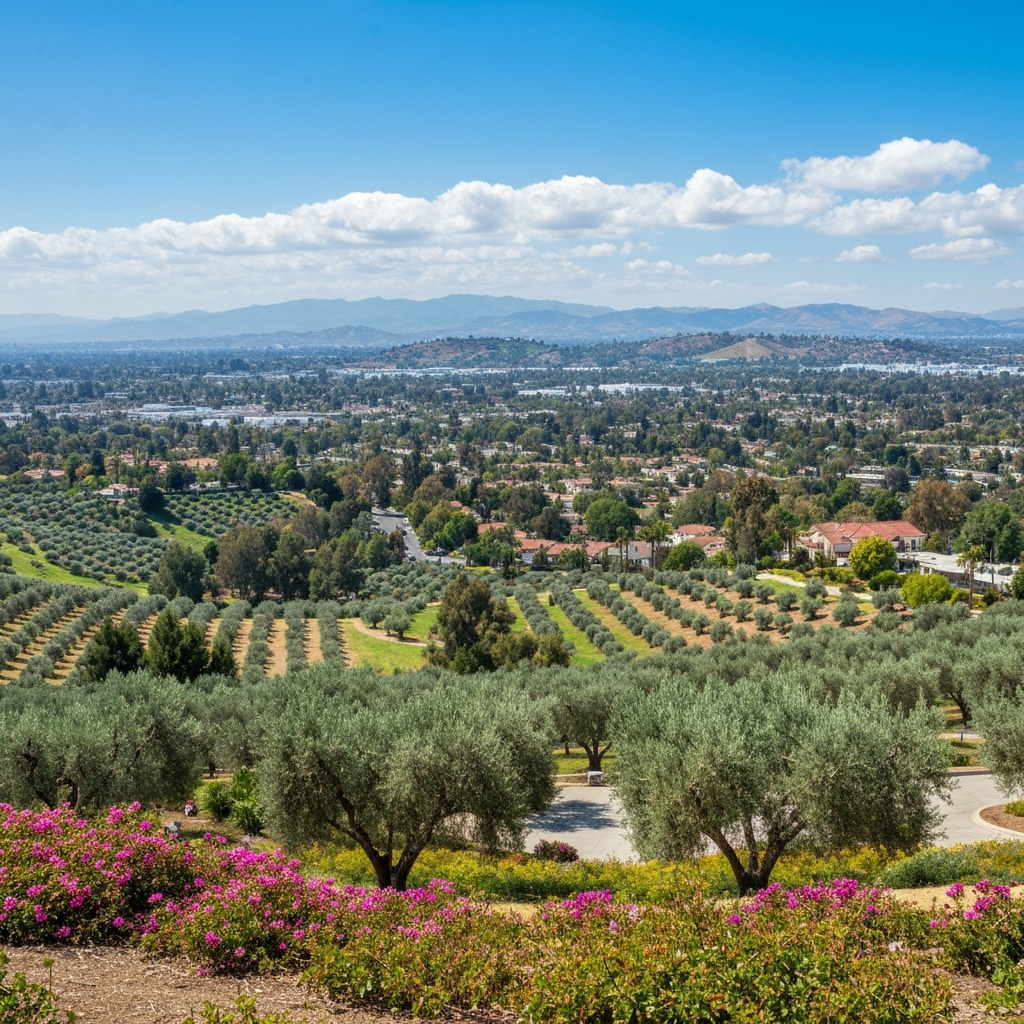
West Covina, nestled in the heart of the San Gabriel Valley, boasts a Mediterranean climate characterized by warm, dry summers and mild, wet winters. This climate not only shapes our daily lives but also influences the local environment and the initiatives undertaken to preserve it.
Climate Overview
Throughout the year, West Covina experiences significant temperature variations. Average low temperatures range from 46.6°F (8.1°C) in January to 63.6°F (17.6°C) in August, while average high temperatures span from 68.7°F (20.4°C) in December to 93.3°F (34.1°C) in August. Precipitation is predominantly observed during the winter months, with February receiving the highest average rainfall of 4.1 inches (104.14 mm). In contrast, the summer months are notably dry, with minimal rainfall recorded.
Environmental Initiatives
Recognizing the importance of environmental stewardship, West Covina has implemented several programs aimed at waste reduction, recycling, and pollution prevention. The city’s Environmental Services department promotes initiatives such as Earth Day/Arbor Day celebrations, America Recycles Day, and various recycling events. These programs encourage residents to participate in activities like used motor oil collection, electronic waste disposal, and household hazardous waste roundups.
Additionally, the city addresses stormwater pollution through public education and infrastructure improvements. Urban runoff, which includes water from storms and activities like over-irrigation and car washing, can carry pollutants into local waterways. To combat this, West Covina has installed trash capture screens over public storm drain inlets and ensures that certain land development projects incorporate measures to capture or treat polluted stormwater.
Community Involvement
Local organizations play a pivotal role in environmental conservation efforts. For instance, the Diamond Bar–Pomona Valley Sierra Club Task Force engages in projects such as advocacy for natural open spaces, wildlife habitat protection, and California native habitat gardening. Their activities support not only Diamond Bar but also neighboring communities, including West Covina.
Furthermore, educational institutions contribute to raising environmental awareness. Students from the Mt. SAC Early College Academy have presented research on topics like eco-friendly burials, invasive species, and light pollution, showcasing the younger generation’s commitment to environmental issues.
By understanding our local climate and actively participating in environmental initiatives, we can collectively work towards preserving the natural beauty and health of West Covina for future generations.