

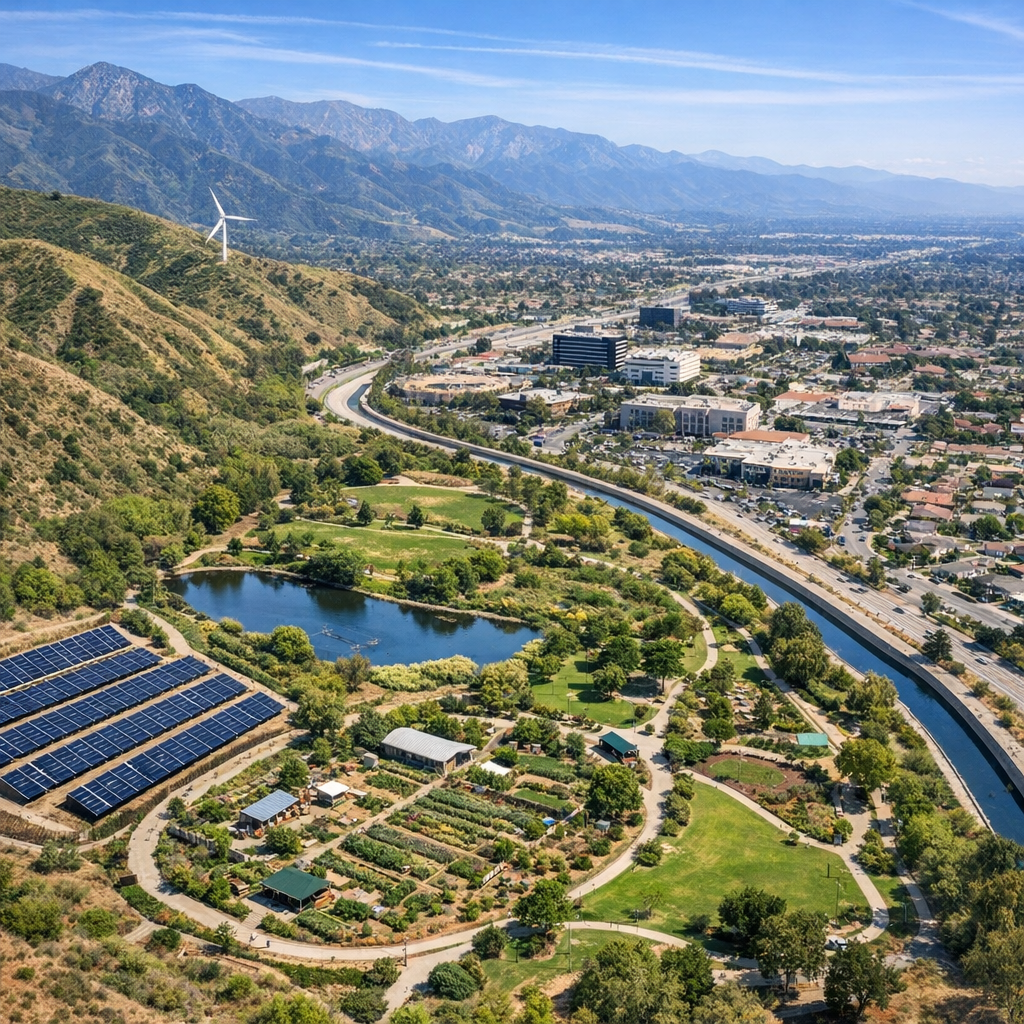
West Covina, nestled in the heart of Southern California, faces a range of climate-related challenges that impact both its environment and residents. Understanding these risks and the community’s proactive measures is essential for fostering a sustainable future.
Climate Risks in West Covina
Recent assessments highlight several climate hazards affecting our city:
- Drought: West Covina is at an extreme risk for drought conditions, which can strain water resources and affect local agriculture.
- Heat: The city experiences a high risk of heat events. Projections indicate an increase in the number of days with temperatures exceeding 99.6ºF, from about 7 days annually in 1990 to approximately 30 days by 2050.
- Flooding: Approximately 60% of buildings in West Covina are at significant risk of flooding, emphasizing the need for effective water management strategies.
- Wildfires: Around 28% of buildings are at significant risk from wildfires, particularly those near wildland areas.
Community Initiatives and Resources
In response to these challenges, West Covina has implemented several programs and resources:
Environmental Services
The city’s Environmental Services department promotes waste reduction, reuse, and recycling through various programs, including:
- Earth Day/Arbor Day celebrations
- America Recycles Day events
- Beverage container recycling and litter reduction initiatives
- Electronic waste collections
- Household hazardous waste roundups
These efforts aim to reduce environmental impact and encourage sustainable practices among residents.
Stormwater Pollution Prevention
To combat stormwater pollution, the city has established guidelines and programs to prevent pollutants from entering local waterways. Residents are encouraged to avoid dumping waste into storm drains and to report any illicit discharges. The city also conducts street sweeping and storm drain cleaning to remove pollutants.
Local Hazard Mitigation Plan
West Covina is updating its Local Hazard Mitigation Plan (LHMP) to address vulnerabilities to natural and human-caused hazards. The plan aims to identify specific projects and actions to enhance the city’s resilience. Public participation is a key component of this process, with opportunities for community input announced throughout the planning stages.
How Residents Can Contribute
Community involvement is crucial in addressing climate challenges. Residents can contribute by:
- Participating in local recycling and waste reduction programs
- Implementing water conservation practices to mitigate drought impacts
- Staying informed about local hazard mitigation plans and providing input
- Reporting environmental concerns, such as illegal dumping or pollution
By working together, West Covina can navigate its climate challenges and build a more sustainable and resilient community.